The 3-page website that outsells a 30-page one
Bigger is not better. A focused, conversion-first site beats a sprawling one almost every time. Here is the structure we use again and again.
CS Groups Team
Web & Conversion, CS Groups

When a visitor lands on your site, they are silently asking three questions: is this for me, can I trust you, and what do I do next. A 3-page site answers all three without making them dig.
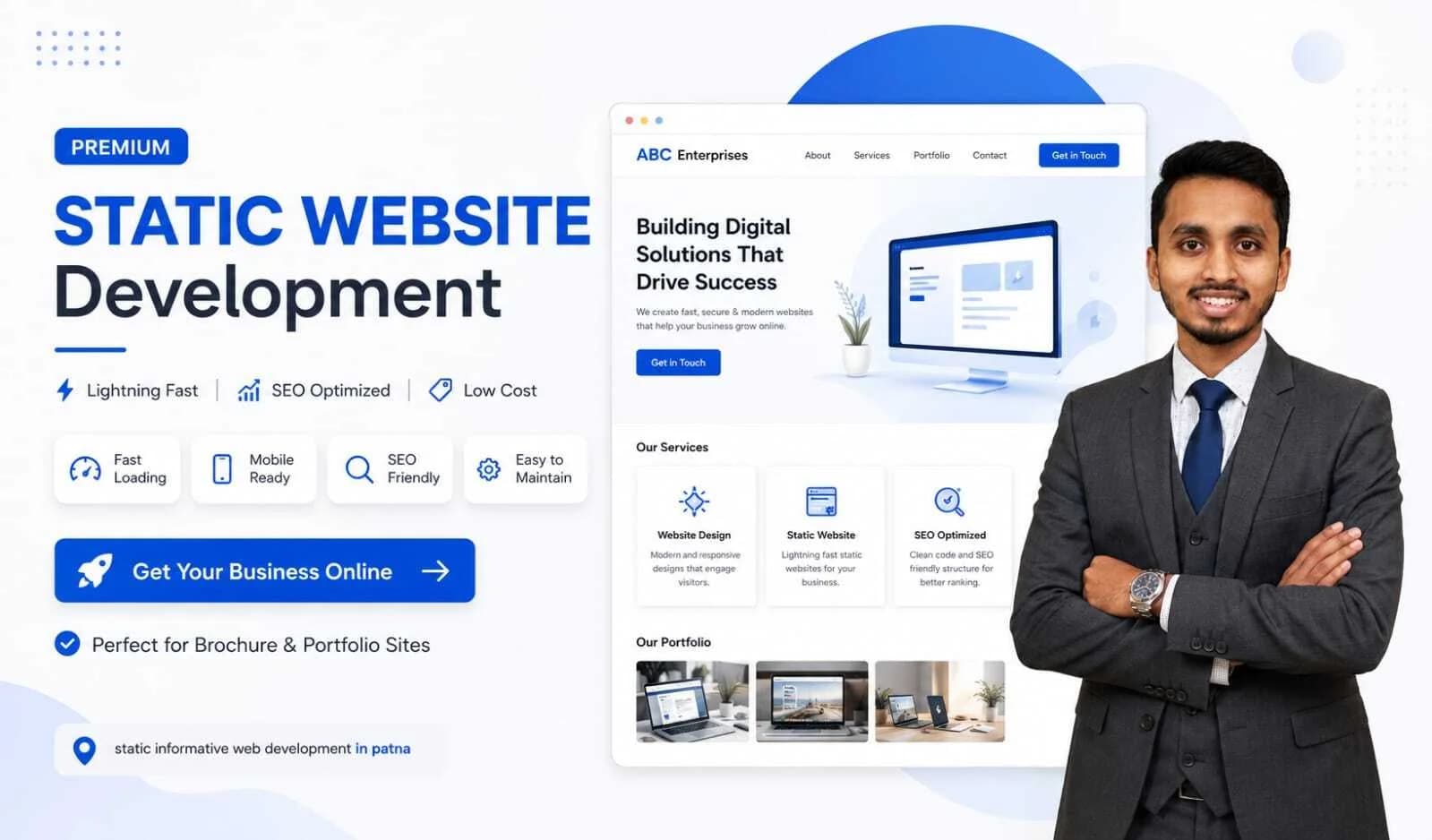
Page one is the home page — a clear promise, proof, and a single primary action. Page two is the offer or service page that handles objections. Page three is contact or booking, frictionless and fast.
Everything else — long about pages, blog archives, galleries — can come later. They rarely move someone from "interested" to "enquiry".
Speed matters as much as structure. A site that loads in under two seconds on a mid-range phone will out-convert a prettier one that takes five. Design for the slowest phone your customer owns, not the fastest.
Start lean. You can always add pages once the core three are converting.
CS Groups Team
Web & Conversion, CS Groups
CS Groups is an India-wide consultancy that has spent ₹1 Cr+ on Google Ads. We write what we have actually tested for our clients — strategy, ads, SEO, websites and AI.
Comments0
Loading comments…